
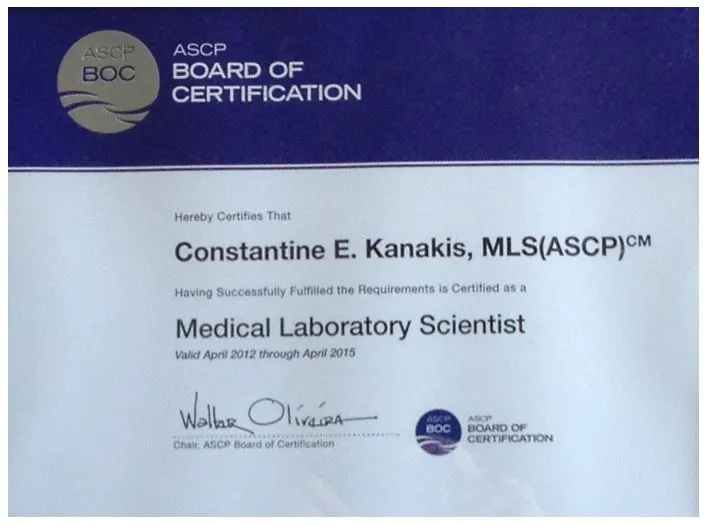
Ascp Certification Phlebotomy, In today’s competitive healthcare industry, earning an ascp certification phlebotomy credential can significantly enhance your professional credibility and open doors to better career opportunities. The certification demonstrates your expertise in blood collection, patient care, laboratory safety, and specimen handling—essential skills for working in hospitals, diagnostic laboratories, and healthcare centers.
What Is ASCP Certification Phlebotomy?
The ascp certification phlebotomy credential is awarded by the American Society for Clinical Pathology (ASCP), one of the most respected organizations in the field of laboratory medicine. The specific certification for phlebotomists is the Phlebotomy Technician (PBT) credential, which validates your knowledge and practical skills in venipuncture, capillary puncture, specimen processing, infection control, and patient identification.
ASCP certification is recognized internationally and is often preferred by employers because it ensures a high standard of competency and professionalism.
Eligibility Requirements
To apply for the ascp certification phlebotomy exam, candidates typically need to meet one of the following criteria:
-
Completion of an accredited phlebotomy training program
-
High school diploma or equivalent
-
Clinical experience in blood collection
-
Documentation of successful venipunctures and skin punctures
Eligibility routes may vary depending on your educational background and work experience, so it’s important to review the official ASCP guidelines before applying.
Exam Structure and Preparation
The ascp certification phlebotomy exam evaluates your knowledge in areas such as:
-
Circulatory system anatomy
-
Specimen collection techniques
-
Safety and infection control procedures
-
Laboratory operations
-
Quality assurance
The exam is computer-based and consists of multiple-choice questions. Proper preparation through textbooks, online practice exams, and structured review courses can increase your chances of success.
Benefits of ASCP Certification Phlebotomy
Earning your ascp certification phlebotomy credential offers several advantages:
-
Career Advancement – Certified phlebotomists often have access to higher-paying positions.
-
Professional Recognition – Employers value nationally recognized credentials.
-
Job Security – Certification demonstrates commitment and competence.
-
Expanded Opportunities – You can work in hospitals, clinics, blood banks, and diagnostic labs.
Many healthcare facilities prefer or require ASCP-certified professionals due to the organization’s strong reputation in laboratory science.
Maintaining Your Certification
After earning your ascp certification phlebotomy credential, you must maintain it through continuing education. ASCP requires credential holders to complete continuing education units (CEUs) within a three-year cycle to stay updated with current laboratory practices and standards.
Final Thoughts
Obtaining an ascp certification phlebotomy credential is a smart investment in your healthcare career. It not only validates your technical skills but also boosts your confidence and professional credibility. Whether you are just starting out or looking to enhance your qualifications, ASCP certification can help you stand out in the competitive medical field and build a rewarding future in phlebotomy.
You Might Also Like These:
mrcpch exam study resources preparation materials