
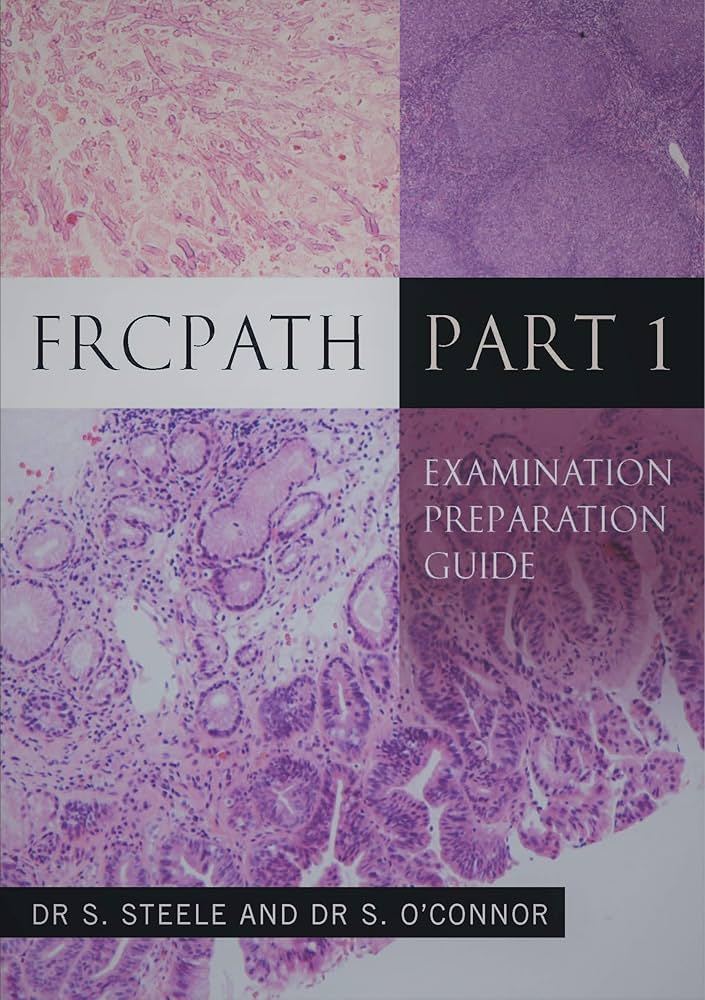
Frcpath, If you are planning a career in pathology, earning the FRCPath qualification can be a major milestone. Recognized internationally, FRCPath demonstrates advanced knowledge, clinical competence, and professional excellence in pathology. Whether you are a trainee doctor, an international medical graduate, or a laboratory specialist, understanding the structure and value of FRCPath is essential.
What Is FRCPath?
FRCPath stands for Fellowship of the Royal College of Pathologists (RCPath), a professional membership organization based in the London. The College is responsible for setting standards and overseeing training and examinations in pathology across the United Kingdom.
The FRCPath qualification is awarded to candidates who successfully pass a series of rigorous examinations and meet professional training requirements in their chosen pathology specialty.
Specialties Covered Under FRCPath
The FRCPath examination is available in multiple pathology specialties, including:
-
Histopathology
-
Haematology
-
Clinical Biochemistry
-
Medical Microbiology
-
Immunology
-
Forensic Pathology
-
Neuropathology
-
Paediatric Pathology
Each specialty has its own exam format and assessment criteria, tailored to the knowledge and skills required in that field.
Structure of the FRCPath Examination
The FRCPath exam typically consists of two main parts:
1. Part 1 Examination
This stage assesses fundamental scientific knowledge and basic principles of pathology. It often includes written papers such as multiple-choice questions (MCQs) or short-answer questions.
2. Part 2 Examination
Part 2 evaluates advanced knowledge, diagnostic skills, and practical competence. It may include written exams, practical assessments, case discussions, and oral examinations (viva).
The structure varies slightly depending on the specialty, but both parts are designed to ensure candidates meet high professional standards.
Eligibility Criteria
To apply for FRCPath, candidates generally must:
-
Hold a recognized medical degree
-
Be registered with a medical council (such as the General Medical Council for UK candidates)
-
Complete relevant training in pathology
International candidates may also apply, provided they meet the training and eligibility requirements set by the Royal College of Pathologists.
Why Is FRCPath Important?
1. International Recognition
The FRCPath qualification is respected worldwide. Many healthcare institutions consider it a mark of excellence in pathology.
2. Career Advancement
Holding FRCPath can improve job prospects, open consultant-level opportunities, and enhance academic career pathways.
3. Professional Credibility
FRCPath demonstrates that a pathologist meets rigorous UK standards in clinical practice, research, and laboratory management.
How to Prepare for FRCPath
Preparation for FRCPath requires structured study and clinical exposure. Candidates often:
-
Follow the official curriculum provided by the Royal College of Pathologists
-
Use past exam papers and recommended textbooks
-
Participate in mock exams and study groups
-
Gain hands-on laboratory experience
Time management and consistent revision are crucial for success.
FRCPath for International Medical Graduates
For doctors outside the UK, FRCPath can significantly enhance professional standing. Many countries recognize the qualification for specialist registration or consultant roles. However, candidates should check local regulatory requirements before applying.
Conclusion
The FRCPath qualification is a prestigious credential that reflects excellence in pathology practice. Awarded by the Royal College of Pathologists in the United Kingdom, it ensures high professional standards and global recognition. Although the journey to earning FRCPath can be demanding, the long-term career benefits make it a worthwhile achievement for aspiring pathologists.
You Might Also Like These:
objective structured clinical examination (osce)
saudi commission for health specialties pharmacist registration fee