
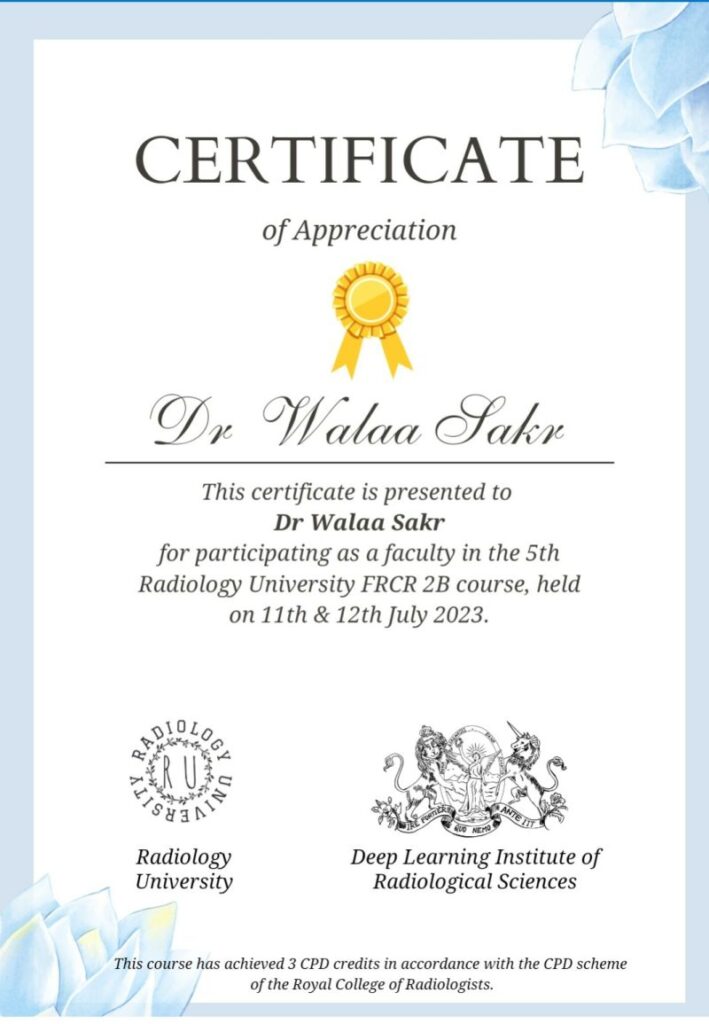
Frcr Certificate, The FRCR certificate is one of the most prestigious qualifications in the field of radiology. Awarded by the Royal College of Radiologists (RCR), the FRCR (Fellowship of the Royal College of Radiologists) is internationally recognized and highly valued among medical professionals who wish to build a successful career in diagnostic or clinical radiology.
In this article, we will explore what the FRCR certificate is, its structure, eligibility criteria, benefits, and how it can shape your medical career.
What Is the FRCR Certificate?
The FRCR certificate is a postgraduate qualification for doctors specializing in radiology. It demonstrates that a candidate has achieved the required knowledge, skills, and competencies to practice as a radiologist at a consultant level.
The certification is primarily associated with the United Kingdom but is widely respected in many countries across the Middle East, Asia, Europe, and beyond.
Structure of the FRCR Examination
To obtain the FRCR certificate, candidates must pass a series of examinations divided into different parts:
1. First FRCR Examination
This stage focuses on the basic sciences relevant to radiology, including:
-
Physics
-
Anatomy
It tests foundational knowledge essential for safe and effective imaging interpretation.
2. Final FRCR Part A
This written examination covers a wide range of radiology specialties, including:
-
Musculoskeletal imaging
-
Neuro-radiology
-
Thoracic imaging
-
Gastrointestinal imaging
-
Pediatric radiology
It assesses the candidate’s ability to apply theoretical knowledge to clinical scenarios.
3. Final FRCR Part B
This is the final and most advanced stage. It includes:
-
Reporting sessions
-
Rapid reporting
-
Oral examination (viva)
Part B evaluates practical diagnostic skills, accuracy, speed, and clinical judgment.
Eligibility Criteria
To apply for the FRCR certificate, candidates must:
-
Hold a primary medical qualification recognized by relevant medical authorities.
-
Have completed appropriate radiology training.
-
Demonstrate adequate clinical experience in radiology.
International candidates are welcome to apply, making the FRCR certificate a popular choice among overseas radiologists.
Benefits of the FRCR Certificate
1. Global Recognition
The FRCR certificate is highly respected worldwide, improving job prospects in countries such as the UK, UAE, India, and Singapore.
2. Career Advancement
Holding the FRCR certificate significantly enhances eligibility for consultant-level positions and senior roles in hospitals.
3. Higher Earning Potential
Radiologists with the FRCR qualification often command competitive salaries due to their validated expertise.
4. Professional Credibility
The certification reflects a high standard of clinical competence and ethical practice.
Preparation Tips for FRCR
Preparing for the FRCR certificate requires structured study and clinical practice:
-
Follow the official syllabus provided by the Royal College of Radiologists.
-
Practice reporting cases daily.
-
Join FRCR preparation courses and study groups.
-
Review past exam questions and mock tests.
-
Improve time management skills for rapid reporting sections.
Consistent revision and exposure to diverse imaging cases are key to success.
FRCR Certificate vs Other Radiology Qualifications
While there are other radiology qualifications globally, such as the American Board certification, the FRCR certificate stands out for its structured assessment and international acceptance. Many doctors choose FRCR because it provides flexibility to practice in multiple countries.
Is the FRCR Certificate Worth It?
For doctors committed to a long-term career in radiology, the FRCR certificate is undoubtedly worth pursuing. Although the examination process is rigorous and demands dedication, the professional rewards and global mobility it offers make it a valuable investment.
Conclusion
The FRCR certificate is a benchmark qualification for radiologists seeking excellence and international recognition. Awarded by the Royal College of Radiologists, it represents advanced clinical competence and opens doors to global career opportunities.
You Might Also Like These: