
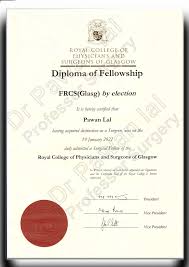
Frcs Medical Degree, The frcs medical degree is one of the most prestigious surgical qualifications in the world. Recognized internationally, the Fellowship of the Royal Colleges of Surgeons (FRCS) represents excellence, advanced clinical expertise, and a high standard of surgical competence. For doctors who aspire to build a successful career in surgery, earning this qualification is a significant milestone.
In this article, we will explore what the FRCS medical degree is, its structure, eligibility criteria, benefits, and career opportunities.
What Is the FRCS Medical Degree?
The frcs medical degree stands for Fellowship of the Royal Colleges of Surgeons. It is a postgraduate qualification awarded by surgical colleges in the United Kingdom and Ireland. The most well-known institutions offering FRCS include:
-
Royal College of Surgeons of England
-
Royal College of Surgeons of Edinburgh
-
Royal College of Physicians and Surgeons of Glasgow
-
Royal College of Surgeons in Ireland
Although often referred to as a “degree,” FRCS is technically a professional qualification rather than a traditional academic degree. It demonstrates that a surgeon has met rigorous standards of knowledge, clinical skills, and professionalism.
Eligibility Criteria for FRCS
To pursue the frcs medical degree, candidates typically must:
-
Hold a recognized primary medical qualification (MBBS or equivalent).
-
Complete foundation and core surgical training.
-
Pass the Membership of the Royal Colleges of Surgeons (MRCS) examination.
-
Undergo specialty training in a chosen surgical field.
The pathway may vary slightly depending on the country and surgical specialty.
Structure of the FRCS Examination
The FRCS examination is specialty-specific and designed to assess advanced surgical competence. It usually consists of:
1. Section 1 (Written Examination)
-
Multiple-choice questions (MCQs)
-
Tests applied surgical knowledge
2. Section 2 (Clinical and Oral Examination)
-
Clinical examination
-
Viva voce (oral assessment)
-
Evaluation of decision-making skills
The exam is known for its high standards and thorough assessment process.
Specialties Available in FRCS
The frcs medical degree can be obtained in various surgical specialties, including:
-
General Surgery
-
Trauma & Orthopaedics
-
ENT (Otolaryngology)
-
Urology
-
Neurosurgery
-
Plastic Surgery
-
Cardiothoracic Surgery
Each specialty has its own examination format and competency requirements.
Benefits of the FRCS Medical Degree
Earning the frcs medical degree offers several advantages:
1. International Recognition
FRCS is widely respected across the UK, Middle East, Asia, and many Commonwealth countries.
2. Career Advancement
It is often mandatory for consultant-level surgical positions in the UK and many other countries.
3. Professional Credibility
FRCS signifies high surgical standards, boosting a surgeon’s professional reputation.
4. Academic Opportunities
FRCS-qualified surgeons may pursue research, teaching, and leadership roles in academic institutions.
Career Opportunities After FRCS
After obtaining the frcs medical degree, surgeons can work as:
-
Consultant Surgeons
-
Specialist Surgeons in government or private hospitals
-
Academic Faculty in medical colleges
-
International Surgical Practitioners
Many countries consider FRCS an equivalent or highly valued qualification for specialist registration.
FRCS vs Other Surgical Qualifications
While FRCS is a UK-based qualification, it is often compared with:
-
MS (Master of Surgery)
-
MCh (Magister Chirurgiae)
-
American Board Certifications
The FRCS medical degree stands out because of its structured training pathway and globally respected examination system.
Conclusion
The frcs medical degree is a prestigious surgical qualification that reflects excellence, expertise, and dedication to the field of surgery. Although challenging, it opens doors to global career opportunities and establishes a surgeon as a highly competent specialist.
You Might Also Like These: