
Is Frcpath Recognised In Australia, If you are a pathologist planning to work overseas, you may be wondering: is FRCPath recognised in Australia? The answer is not a simple yes or no. Recognition depends on the pathway you choose, your specialty, and the assessment process set by Australian medical authorities.
In this article, we’ll break down what FRCPath is, how it is viewed in Australia, and the steps required for specialist recognition.
What Is FRCPath?
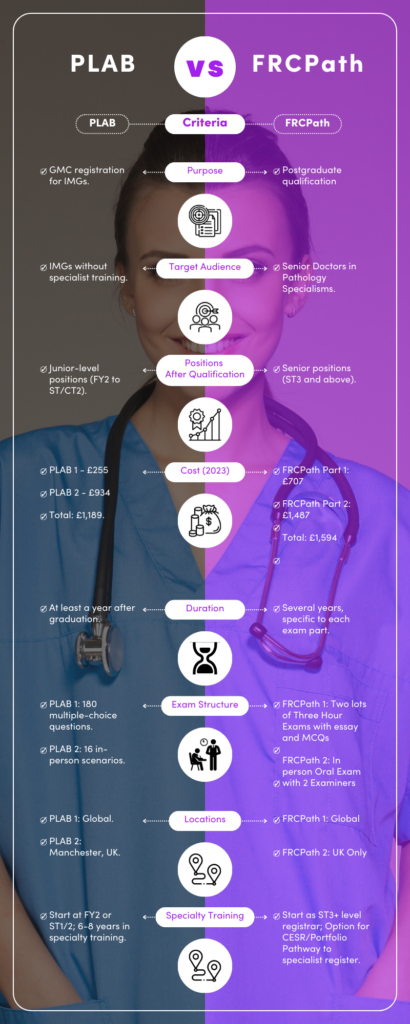
FRCPath stands for Fellowship of the Royal College of Pathologists (UK). It is a prestigious postgraduate qualification awarded to pathologists who complete specialist training and pass rigorous examinations in pathology disciplines such as:
-
Histopathology
-
Haematology
-
Chemical Pathology
-
Medical Microbiology
-
Immunology
The qualification is widely respected in the UK and many other countries.
Is FRCPath Recognised in Australia?
So, is FRCPath recognised in Australia?
Australia does not grant automatic specialist registration solely based on holding FRCPath. However, it is highly regarded and can significantly support your application for specialist recognition.
To practise as a specialist pathologist in Australia, you must be assessed by the Royal College of Pathologists of Australasia (RCPA), which is the accredited body responsible for pathology training and standards in Australia and New Zealand.
How Recognition Works in Australia
If you hold FRCPath and want to work in Australia, here is the general process:
1. Assessment by RCPA
The RCPA will compare your qualifications, training, and experience with Australian standards. FRCPath is often considered comparable, but you may still need:
-
Additional documentation
-
A period of supervised practice
-
Further assessments or examinations (if gaps are identified)
2. Application to AHPRA
After a positive RCPA assessment, you apply for specialist registration through the Australian Health Practitioner Regulation Agency (AHPRA).
3. Possible Outcomes
You may be classified as:
-
Substantially comparable – Likely short period of supervision
-
Partially comparable – May require further training or exams
-
Not comparable – Additional full training required
Factors That Influence Recognition
Whether FRCPath is recognised in Australia depends on:
-
Your pathology subspecialty
-
Years of post-fellowship experience
-
Scope of practice
-
Research and academic contributions
-
Recency of clinical work
Applicants with extensive consultant-level experience in the UK often have a smoother pathway.
Does Australia Have a Fast-Track Pathway?
Australia has introduced streamlined pathways for certain internationally trained specialists from “comparable health systems.” The UK is often considered comparable, which may benefit FRCPath holders.
However, eligibility rules can change, so it’s important to check the latest updates directly from RCPA and AHPRA.
Benefits of Holding FRCPath in Australia
Even though FRCPath is not automatically recognised, it provides several advantages:
-
Strong international reputation
-
Evidence of structured specialist training
-
High credibility during RCPA assessment
-
Improved employment opportunities in public and private laboratories
Many Australian employers value UK-trained specialists.
Final Verdict: Is FRCPath Recognised in Australia?
To summarise:
Is FRCPath recognised in Australia?
Yes — but through a formal assessment process rather than automatic recognition.
FRCPath is respected and often considered comparable, but final approval depends on evaluation by the Royal College of Pathologists of Australasia and registration with AHPRA.
If you are planning to migrate, it’s best to:
-
Contact RCPA for a specialist assessment.
-
Prepare detailed training documentation.
-
Review AHPRA registration requirements.
With proper preparation, FRCPath holders have a strong chance of successfully practising pathology in Australia.
You Might Also Like These:
ascp specialist in microbiology